01
Coagulants and Flocculants
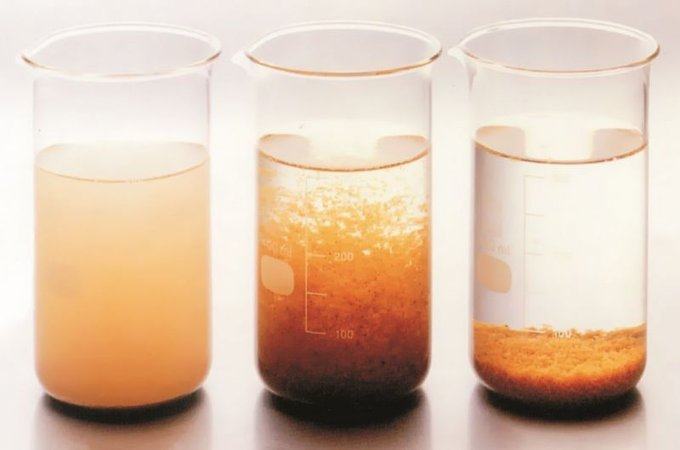
Very small suspended particles may remain in water because they are too light to settle naturally. Coagulants destabilise these particles, while flocculants help them combine into larger clusters that can be removed through settling, flotation or filtration.
Common coagulants include polyaluminium chloride, aluminium sulphate and ferric salts. Flocculants are available in different ionic forms, and the correct selection should be established through water analysis and jar testing.
- Municipal water treatment
- Borehole and surface-water clarification
- Industrial wastewater treatment
- Sewage-treatment plants
- Swimming-pool clarification
- Sludge dewatering
02
Reverse Osmosis Antiscalants
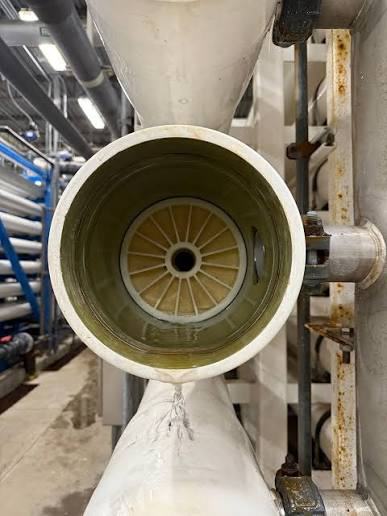
Reverse osmosis systems concentrate dissolved salts in the reject-water stream. As concentration increases, minerals such as calcium carbonate, calcium sulphate, barium sulphate and silica may form deposits on the membrane surface.
Genesys is associated with membrane-treatment chemicals, including antiscalants and membrane cleaners. Product selection should be based on feed-water analysis and an antiscalant projection or simulation rather than using one product for every water source.
- Stable permeate production
- Reduced membrane cleaning
- Lower operating pressure
- Longer membrane service life
- Improved system recovery
- Reduced unplanned downtime
03
pH Adjustment Chemicals
Water pH influences chemical reactions, disinfection efficiency, corrosion, scaling and treatment-process performance. The appropriate chemical and dosing rate depend on the water chemistry. pH correction should be monitored using a calibrated meter or suitable testing method.
- Correct RO feed-water pH
- Improve coagulation
- Support wastewater treatment
- Maintain swimming-pool balance
- Control corrosion and scale
- Neutralise treated effluent
04
Disinfection Chemicals
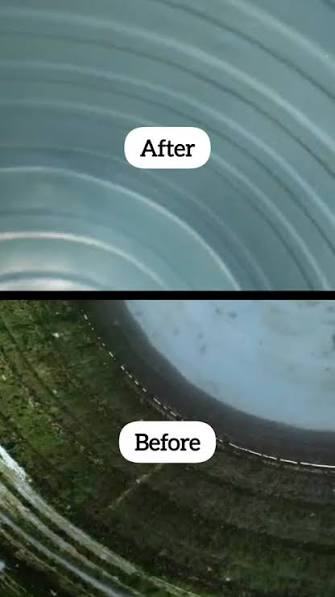
Disinfection chemicals help control microorganisms in drinking water, swimming pools, storage tanks and selected industrial systems. Chlorine products are widely used because they can provide a measurable disinfectant residual, but effectiveness depends on pH, contact time, temperature, organic loading and concentration.
- Calcium hypochlorite
- Sodium hypochlorite
- Chlorine tablets
- Chlorine dioxide
- Peracetic acid-based sterilants
- Specialised industrial biocides
05
Corrosion Inhibitors
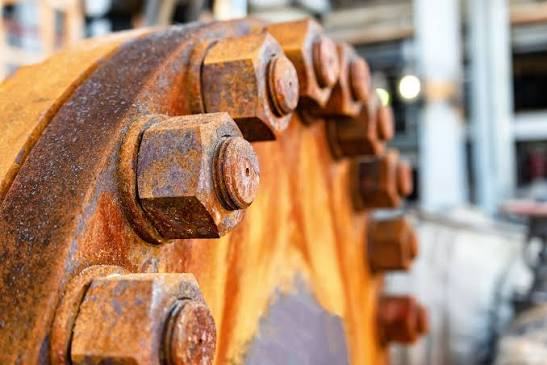
Corrosion can damage pipelines, pumps, boilers, cooling systems and storage equipment. Corrosion inhibitors reduce interaction between water and vulnerable metal surfaces.
Kurita provides industrial water-treatment technologies for boiler protection, membrane treatment, biofouling control and cooling-water management. Only chemicals specifically approved for the intended application should be used, especially where treated water may contact food or be used for drinking.
- Boiler-water systems
- Cooling towers
- Closed-loop systems
- Industrial process-water networks
- Selected potable-water applications
06
Boiler and Cooling-Water Chemicals
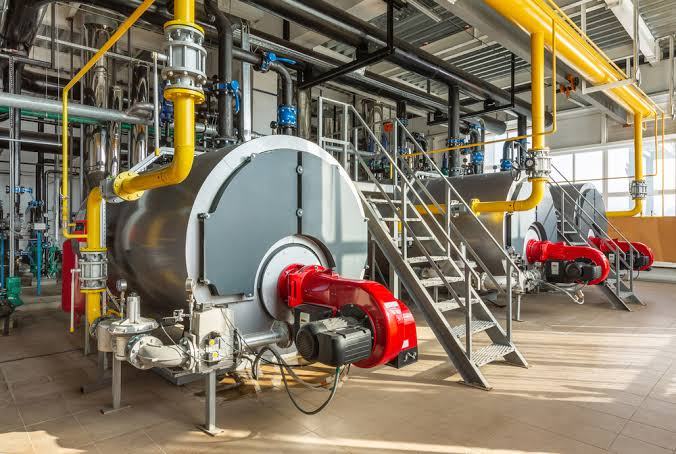
Boilers and cooling towers operate under conditions that can encourage scale, corrosion and microbiological growth. The treatment programme should consider operating temperature, system metallurgy, water cycles, blowdown, makeup-water quality and equipment-manufacturer requirements.
- Scale inhibitors
- Corrosion inhibitors
- Oxygen scavengers
- Dispersants
- Biocides
- pH and alkalinity regulators
- Condensate-line treatment chemicals
07
Wastewater-Treatment Chemicals
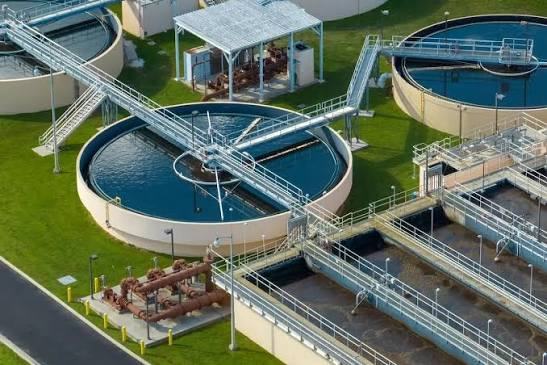
Industrial and commercial wastewater can contain suspended solids, oils, organic matter, metals, colour and other contaminants. Chemical treatment assists physical and biological processes in removing or controlling these pollutants.
Wastewater chemicals should be selected after analysing both the incoming wastewater and the required discharge or reuse standard.
- Coagulants
- Flocculants
- pH-adjustment chemicals
- Defoamers
- Odour-control chemicals
- Nutrient supplements
- Precipitants
- Disinfectants
- Sludge-conditioning chemicals
08
Understanding Chemtrion, Genesys, Kurita, Radix 95 and HTH
Different brands are suited to different areas of water treatment. Product Technical Data Sheets and Safety Data Sheets should always be reviewed before selection and use.
Chemtrion
General water-treatment and maintenance products for applications defined by each product specification.
Genesys
Membrane-treatment chemicals, including RO antiscalants, membrane cleaners, biocides and preservation products.
Kurita
Industrial water, membrane, boiler, cooling-tower and wastewater technologies focused on scale, corrosion, deposits and biological fouling.
Radix 95
A specialised RO antiscalant designed to control inorganic scale and support stable membrane performance under challenging feed-water conditions.
HTH
Swimming-pool water-care products, including chlorine-based disinfectants used alongside balanced testing and treatment programmes.
09
When Is CIP Required?
Clean-in-place treatment should be considered when normalised operating data shows a sustained decline in performance. Cleaning should ideally take place before fouling becomes heavily compacted or causes irreversible membrane damage.
Typical CIP workflow
- Identify the foulant. Review water analysis, operating data and membrane condition.
- Prepare the system. Shut down, isolate, depressurise and flush according to the plant procedure.
- Select a compatible cleaner. Match the cleaner to scale, metals, organics, suspended solids or biological fouling.
- Follow the approved cleaning cycle. Use the membrane and chemical manufacturers' permitted flow, pressure, pH and temperature limits.
- Rinse and verify. Thoroughly rinse, restart gradually and compare recorded performance data.
10
How to Select the Correct Water-Treatment Chemical
- Conduct a water analysisTest pH, hardness, alkalinity, TDS, chloride, sulphate, silica, metals, turbidity, organics and microbiological quality.
- Define the treatment objectiveClarify whether the goal is disinfection, scale control, cleaning, clarification, corrosion prevention, wastewater treatment or pH correction.
- Evaluate the treatment systemConsider flow, recovery, membrane type, contact time, construction materials and operating conditions.
- Confirm product compatibilityReview labels, Technical Data Sheets and Safety Data Sheets for compatibility with equipment and materials.
- Use controlled dosingUse properly sized dosing equipment, monitor results and adjust the programme using reliable test data.
Why professional chemical dosing matters
Under-dosing may fail to provide adequate treatment, while excessive dosing can increase costs, interfere with downstream processes or affect water quality. A properly designed dosing system supports consistent delivery, process control, reduced waste, improved equipment protection, easier monitoring and reliable treated-water quality.
Which water-treatment chemical is best?
There is no single chemical suitable for every water source. Selection depends on water analysis, the application, system design and required treated-water quality.
Why are antiscalants used in RO systems?
They help control mineral deposits that can reduce membrane flow, increase operating pressure and shorten membrane life.
Can ordinary cleaning chemicals be used on RO membranes?
No. Only membrane-compatible cleaners selected for the identified foulant should be used.
Are chlorine products suitable for every RO system?
Many polyamide RO membranes can be damaged by oxidants. Chlorine exposure must be controlled according to the membrane manufacturer's specifications.
How frequently should water be tested?
Testing frequency depends on the application and source-water variability. Critical systems need scheduled monitoring and extra testing when conditions change.
Conclusion
Effective water treatment begins with proper analysis, accurate product selection, controlled dosing and ongoing performance monitoring. Reesolmart provides water analysis, chemical selection, dosing-system design, antiscalant simulation, supply, installation and technical support for domestic, commercial and industrial applications.